November 12, 2026
Do You Need an Emergency Dentist for Mouth Swelling Without Pain?
By @troypffv867
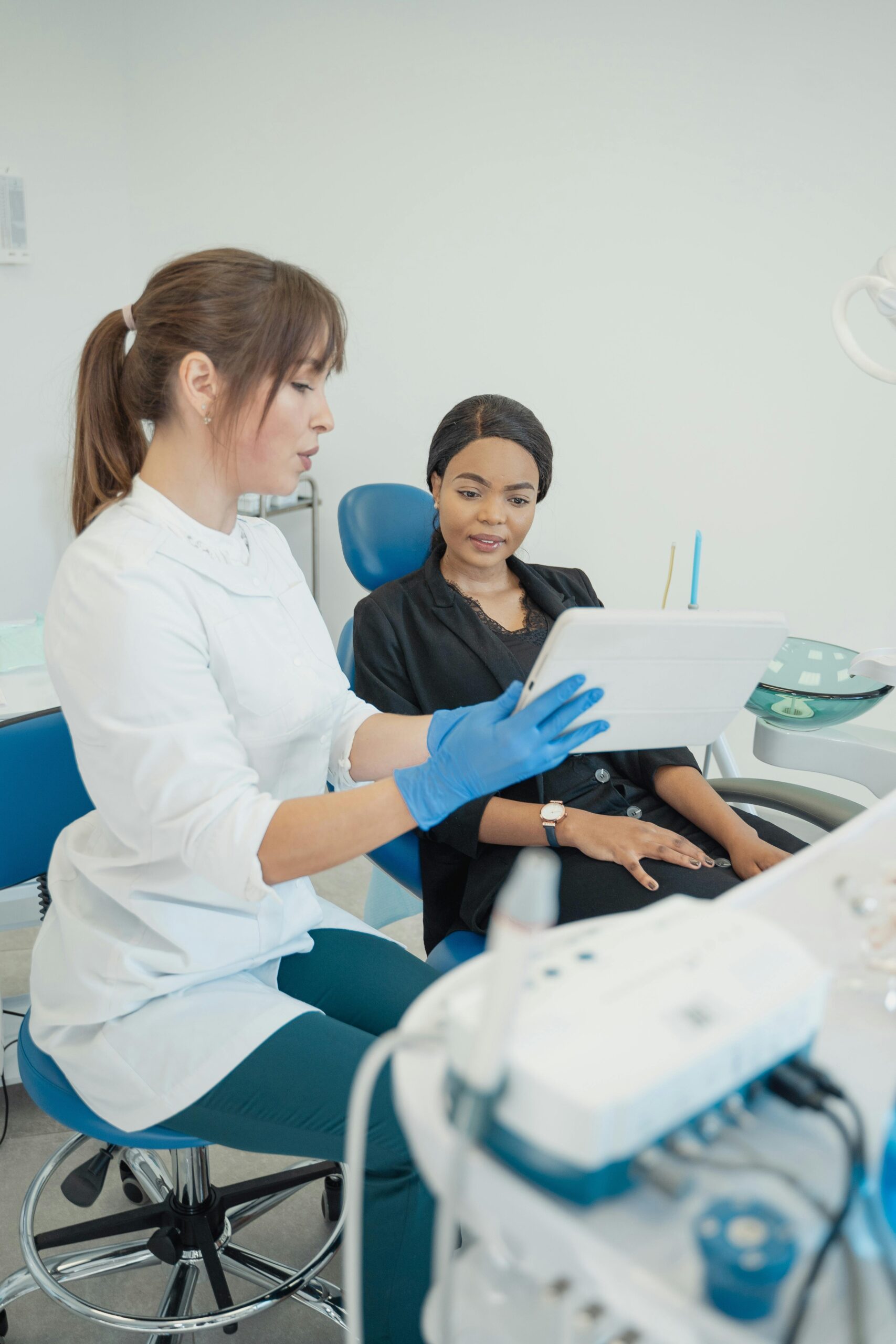
Mouth swelling without pain can be strangely easy to ignore. If nothing hurts, many people assume it is minor, temporary, or unrelated to their teeth. That instinct is understandable, but it is not always safe. In dental practice, some of the more serious problems do not announce themselves with dramatic pain at first. A gum abscess can drain and become less tender while the swelling remains. A blocked salivary gland may puff up the cheek or floor of the mouth without much discomfort. A reaction to food, medication, or trauma can begin quietly, then escalate fast.
The real question is not whether swelling hurts. The question is why the tissue is swollen, how quickly it appeared, whether it is spreading, and what structures are involved. When the mouth, gums, jaw, cheek, or lips change shape, your body is signaling that something is off. Sometimes the issue can wait for a prompt routine dental visit. Sometimes it calls for an Emergency Dentist the same day. Sometimes it belongs in an emergency room, especially if breathing or swallowing is affected.
That distinction matters because swelling inside the mouth sits close to the airway, sinuses, and deep facial spaces. What begins as a small problem near one tooth can, in a short span, become far more serious. I have seen patients walk in saying, “It doesn’t even hurt that much,” while one side of the face was visibly enlarged. I have also seen harmless, self-limited swelling after cheek biting or a mild irritation from a sharp food edge. The details make the difference.
Pain is not a reliable measure of urgency
People often use pain as the main yardstick for deciding whether to seek care. With a sprained ankle or a burn, that habit usually makes sense. In the mouth, it can mislead you.
A tooth can lose vitality over time, meaning the nerve inside no longer responds normally. Once that happens, an infection near the root may create swelling with little or no pain. The pressure may drain through the gum, reducing the throbbing people expect from a “toothache.” A person can feel almost normal, aside from a puffy gumline or a strange fullness in the cheek.
There is also the opposite problem. Some swelling comes from soft tissue irritation, a blocked salivary duct, or a cystic change that stretches tissue slowly. Those conditions may feel more odd than painful. Slow-growing swelling can be easy to postpone because it does not interrupt work, sleep, or meals right away. Yet it still deserves professional evaluation.
Pain threshold also varies widely. One patient may describe a small ulcer as unbearable, while another barely notices an enlarging gum infection. That is one reason dentists do not triage by pain alone. We look at location, onset, visible changes, fever, drainage, mobility of teeth, mouth opening, and whether the swelling is localized or diffuse.
Where the swelling is can tell you a lot
Swelling around the mouth is not all the same. Location often points toward the source.
If the swelling is directly over the gum near one tooth, especially if that tooth has a large filling, crown, or prior trauma, a dental infection moves higher on the list. A little “bubble” on the gum can be a draining fistula, which sounds dramatic but simply means the infection has found a way to release pressure. People sometimes call it a pimple on the gum. It may come and go for weeks.
Swelling in the cheek can still be dental, particularly from upper molars or lower back teeth, but it can also come from the salivary glands. The parotid gland sits near the cheek and jaw area. When it is blocked or inflamed, the side of the face can appear fuller, sometimes worse around mealtimes when saliva production increases.
Swelling under the tongue or along the floor of the mouth deserves more caution. That area is close to structures that affect swallowing and airway space. Even when pain is minimal, swelling there should never be casually monitored at home for long.
Lip swelling may come from trauma, irritation, or an allergic reaction. If it appears together with tongue swelling, throat tightness, hives, or trouble breathing, that moves out of dentistry and into immediate medical emergency care.
Jaw swelling can reflect infection, lymph node enlargement, salivary issues, or less commonly cysts or other pathologies in the bone. If the contour of the jawline has changed and you cannot explain it by recent dental work or an obvious bite injury, it needs an exam.
Common reasons for mouth swelling without pain
Not every painless swelling is dangerous, but none should be dismissed without some thought. The most common possibilities include dental infection, salivary gland blockage, trauma, gum disease, erupting teeth, and less common growths or cysts.
A chronic dental abscess is one of the most important causes to rule out. This often happens when a tooth has decay, a crack, or prior deep work that irritated the nerve long ago. The nerve dies, bacteria gather near the root tip, and pressure builds. If the infection finds a drainage pathway, the pain may ease. Patients sometimes say the area “feels funny” or notice a bad taste every now and then, but not much else.
Gum infections can also swell the tissues between or around teeth. In some cases, food gets trapped under the gum and causes a localized area of puffiness. It may feel tender only if pressed.
Salivary gland stones are another classic cause. A tiny calcified stone can obstruct saliva flow. The gland backs up, and the area swells, often most noticeably when eating something sour or flavorful. It may not be very painful, especially early on.
Minor trauma is common and easy to forget. People bite their cheek in their sleep, scrape tissue with tortilla chips or crusty bread, burn the palate with hot pizza, or irritate an area with a rough retainer edge. Swelling can linger after the initial event is forgotten.
Then there are lesions that do not fit everyday irritation. Mucoceles, which are mucus cysts often seen on the lower lip, can appear as soft, dome-like swellings. Certain jaw cysts may grow quietly for a long time. Benign growths exist, and so do more serious conditions. That is why a swelling that does not resolve should not be self-diagnosed based on internet photos.
When an Emergency Dentist is the right call
A same-day dental evaluation is wise when the swelling appears related to a tooth or gum, has come on suddenly, is enlarging, or is paired with changes such as drainage, bad taste, loose teeth, or difficulty opening the mouth. An Emergency Dentist is equipped to examine the area, take radiographs if needed, test the teeth, and decide whether the source is infection, trauma, or something that needs referral.
Many people think emergency care is only for severe pain or a knocked-out tooth. In reality, swelling is one of the most common reasons a dentist wants to see someone quickly. The goal is not just symptom relief. It is prevention. If the problem is an infection, treatment may involve drainage, a root canal, extraction, or antibiotics when indicated. If the problem is salivary or soft tissue related, the dentist can direct you appropriately instead of leaving you in diagnostic limbo.
An Emergency Dentist also helps when the swelling follows recent dental work. Sometimes a normal inflammatory response settles within a day or two. Sometimes the swelling reflects bite trauma, infection, an allergic reaction, or a complication that needs prompt attention. Distinguishing those situations is difficult over the phone and almost impossible by guesswork.
Red flags that should never wait
Some symptoms change the level of urgency right away. If any of these apply, do not wait for a routine appointment.
- Trouble breathing, swallowing, or speaking normally
- Swelling under the tongue, in the throat, or rapidly spreading through the face
- Fever, chills, or feeling weak and unwell along with mouth or facial swelling
- Inability to fully open the mouth, or pain and tightness that are getting worse fast
- Lip or tongue swelling with hives, wheezing, or signs of an allergic reaction
Those situations may require urgent medical care in an emergency room, not just a dental office. The airway always comes first.
Signs the swelling may be dental, even without pain
Patients are often surprised by how often a tooth is responsible for a “mystery swelling.” There are a few patterns that tend to point in that direction.
One is a localized bump on the gum above a specific tooth. Another is a history of that tooth having deep decay, a large filling, a crown, or old trauma from sports or a fall. Discoloration matters too. A tooth that looks darker than its neighbors may have lost vitality. A recurring bad taste or slight drainage is another clue, especially if the swelling seems to shrink and reappear.
Sometimes chewing does not hurt, but tapping on the tooth or biting something firm feels subtly different. Patients describe it as “high,” “hollow,” or “not right.” These are the details dentists listen for because they often reveal a chronic infection that has not yet become acutely painful.
X-rays and testing are crucial here. You cannot tell by looking in a mirror whether the root tip is infected or whether bone loss is present under the gum. A quick exam may reveal a problem that has been brewing for months.
When it might not be a dental emergency, but still needs attention
Not every painless swelling needs immediate same-day treatment. If you bit your cheek yesterday, the area is small, clearly linked to trauma, and you are otherwise fine, it may settle on its own. If a canker sore is nearby, some surrounding puffiness is common. If you just had a difficult extraction or gum procedure and your dentist warned you to expect mild swelling for 48 to 72 hours, that can be part of normal healing.
Even then, context matters. Normal post-procedure swelling should gradually improve, not steadily enlarge. A cheek bite should fade, not persist unchanged for two weeks. A blocked salivary gland that keeps recurring is not a “watch forever” issue. Painless does not mean optional.
One practical rule is duration. If a swelling is still present after about a week, or sooner if it is growing, arrange an exam. Persistent oral swellings deserve a clinician’s eyes on them. Dentists and oral surgeons are trained to identify what looks routine and what needs biopsy, imaging, or medical referral.
What to do while you are arranging care
Home care has a narrow role here. It can keep you comfortable for a few hours, but it does not diagnose the cause.
- Rinse gently with warm salt water if the area feels irritated, but do not scrub or poke it
- Use a cold compress on the outside of the face for short intervals if there is visible facial puffiness
- Stay hydrated, especially if you suspect a salivary gland issue
- Avoid pressing on the swelling or trying to drain it yourself
- Call a dental office and describe the location, duration, and whether the swelling is increasing
That last point sounds obvious, but the details matter. Saying “my mouth is swollen” is less helpful than saying “the swelling is on the gum above my upper right molar and started two days ago, no pain, slight bad taste, no fever.” Good triage depends on specifics.
Do not start leftover antibiotics from an old prescription. That is a common mistake. The wrong antibiotic, wrong dose, or partial course can muddy the clinical picture and contribute to resistance without actually treating the source. Dental infections often require a procedure, not just medication. If a dead tooth is the cause, antibiotics alone rarely solve the problem for long.
Swelling after dental treatment, what is normal and what is not
A fair number of urgent calls happen after fillings, crowns, root canals, extractions, or deep cleanings. Mild swelling can be expected after some procedures, especially surgery. The tricky part is telling normal healing from something that needs intervention.
After an extraction, a little swelling in the first two to three days can be perfectly ordinary. It usually peaks around the second or third day, then starts to ease. The tissue may feel firm, and the jaw may be a bit stiff. That is not unusual.
What is less reassuring is swelling that appears suddenly after an initial quiet period, especially if it comes with foul taste, fever, worsening tenderness, or asymmetry of the face. Likewise, a gum that balloons after a filling or crown may reflect food impaction, contour issues, or trauma, but it can also point to an underlying infection that was already present and has now declared itself.
Root canal cases can be especially confusing. Some teeth are treated because infection already exists at the root tip. In those situations, swelling may take time to settle, but it should be monitored. If a patient tells me the tooth is not painful but the face looks puffier each day, that deserves a prompt check.
Children and older adults deserve extra caution
With children, mouth swelling can be harder to interpret because they may not describe symptoms clearly. A child may say nothing hurts, yet avoid chewing on one side, drool a little more than usual, or wake up with a puffy cheek. Swelling tied to erupting teeth can be mild and routine, but facial swelling around a specific tooth should be assessed quickly. Infections in baby teeth can spread just like infections in adult teeth.
Older adults have a different set of risks. They are more likely to have dry mouth, multiple restorations, root decay, dentures that irritate tissue, and medications that affect healing or immune response. Some may also have reduced pain sensation or delayed reporting. A painless swelling in an older adult, particularly one that persists, should never be written off without an exam.
The overlap between dental and medical problems
One reason this topic causes confusion is that the mouth sits at the intersection of dentistry and medicine. Dentists manage teeth, gums, many oral Learn more here infections, and a wide range of soft tissue concerns, but not every swelling belongs solely in a dental chair.
For example, a salivary gland infection may involve both dental and medical evaluation. A suspected allergic reaction belongs in urgent medical care. Swollen lymph nodes beneath the jaw may come from a throat infection rather than a tooth. Autoimmune conditions can affect oral tissues. Certain medications can trigger gum enlargement or swelling of the lips and face.
A skilled Emergency Dentist knows when the source is likely dental and when to refer to an oral surgeon, ENT specialist, primary care physician, or emergency department. That handoff is valuable. It shortens the path to the right treatment and reduces the chance that a serious issue is mislabeled as “just a dental thing.”
What a same-day dental visit usually involves
Many patients put off calling because they imagine a complicated or expensive process from the first visit. Often, the initial emergency evaluation is straightforward. The dentist will ask when the swelling began, whether it fluctuates, whether a tooth has been treated before, and whether you have fever, drainage, or trouble swallowing. They will examine the soft tissue, check the teeth, assess the gum, and usually take one or more radiographs.
If a tooth is the culprit, the treatment plan may be immediate or staged. A visible abscess might need drainage. A tooth with a dead nerve may need root canal treatment or extraction. If the swelling looks non-dental, you may leave with a clear referral and instructions instead of vague reassurance.
Patients often feel relief simply from knowing what they are dealing with. Uncertainty is stressful. So is watching your face or gums change shape while waiting for pain that may never come.
The practical answer
If you have mouth swelling without pain, you may still need urgent dental evaluation. Not every case requires a midnight emergency visit, but many deserve prompt attention, especially if the swelling is new, unexplained, growing, or tied to a particular tooth or area of gum. If the swelling affects breathing, swallowing, or the floor of the mouth, skip the wait and get emergency medical help immediately.
The safest approach is to respect swelling for what it is, a sign, not a diagnosis. Pain can be absent in chronic infection, salivary blockage, soft tissue lesions, and some significant oral conditions. An Emergency Dentist can sort out which cases can be monitored, which need treatment that day, and which should be escalated to hospital care.
When people ask, “If it doesn’t hurt, can it really be serious?” the honest answer is yes, sometimes. That is exactly why painless swelling should not be ignored.
Smyle Dental Newhall
23754 Newhall Ave
Santa Clarita, CA 91321, United States
+16612559200
FAQ About Emergency Dentist
Will the ER do anything for dental pain?
An emergency department can assess serious complications and provide temporary care, but it usually cannot provide definitive dental treatment such as a filling or root canal. A dentist needs to identify and treat the cause. Call 911 or seek emergency medical care for difficulty breathing or swallowing, major facial injury, or uncontrolled bleeding.
What qualifies as a dental emergency?
A knocked-out permanent tooth, severe or persistent dental pain, swelling, and a broken tooth with pain need prompt professional assessment. Contact a dentist immediately for guidance on how urgently to be seen. Rapidly spreading swelling or swelling that affects breathing or swallowing requires emergency medical care.
What to do if I have a dental emergency in the middle of the night?
Call your dentist's office for after-hours instructions. Smyle Dental Newhall can be reached at (661) 255-9200; confirm when treatment is available. Do not wait for the office to open if you have trouble breathing or swallowing, uncontrolled bleeding, or a major facial injury. For a toothache while arranging dental care, gently rinse with warm water and avoid putting aspirin directly on the tooth or gums.
❧